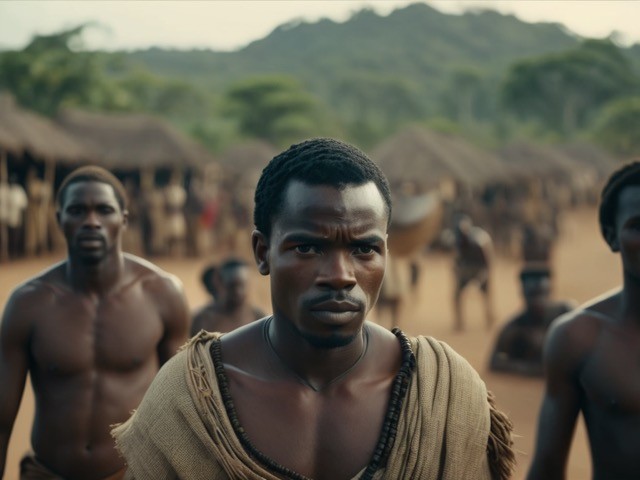
英語で勉強する 「植民地主義とアフリカ」
植民地主義がアフリカに与えた影響 (単語付き)
Resources Taken
The extraction(採取) of resources by European colonial powers(植民地勢力) from African colonies was extensive and has profoundly affected Africa’s current socio-economic(社会経済的) situation. Here’s an overview:
Resources Taken
1.Raw Materials(原材料):
Africa provided immense 広大な, 巨大な; amounts of raw materials crucial to Europe’s industrial growth(産業成長):
•Minerals(鉱物): Gold, diamonds, copper, and other valuable minerals were extensively mined.
•Cash Crops(商品作物): Rubber, cocoa, coffee, and cotton plantations were established, often replacing subsistence farming(自給自足農業).
•Timber(木材): Forests were exploited for hardwoods like mahogany and ebony.
2.Human Resources(人的資源):
•Enslavement(奴隷化): The Transatlantic Slave Trade forcibly 強制的に removed millions of Africans from the continent, depriving〈人・物・事が〉A〈人・物〉からB〈(重要な)物・事〉を奪う it of labor and causing demographic(人口統計的) and social disruptions 混乱, 中断.
•Labor Exploitation(労働搾取): Under colonial rule, Africans were often coerced 抑圧すれる into low-paid or unpaid labor through taxation systems(課税制度) and forced labor 強制労働. policies.
3.Land(土地):
Large tracts 土地の広がり, 地域 of fertile 肥沃な land were seized and allocated to European settlers or corporations(企業).
4.Wealth(富):
Colonial taxes, trade imbalances(不均衡), and exploitation funneled wealth from African colonies to European treasuries(財務省).
アフリカの現状への影響 (単語付き)
Impact on Africa’s Current Situation
Impact on Africa’s Current Situation
1.Economic Dependency(経済的依存):
The colonial focus on exporting raw materials created economies dependent on resource extraction rather than diversified development(多様化した発展). Many African countries still struggle to move beyond this model.
2.Infrastructure(インフラ) and Development:
•Infrastructure, such as railways and ports, was built to serve colonial interests Aの利益にかなう, often bypassing local needs.
•Colonial powers invested little in education, healthcare, or industries(産業) that could benefit local populations.
3.Borders(国境) and Governance:
•Arbitrary(恣意的) borders drawn by colonial powers ignored ethnic, linguistic, and cultural divisions, leading to conflicts and weak national cohesion(結束) post-independence.
•Colonial systems of governance often relied on authoritarian rule(独裁的統治), setting a precedent 前例を作る for similar governance after independence.
4.Wealth Disparity(富の格差):
•The colonial elite and foreign companies accumulated wealth, while local populations faced dispossession(剥奪) and poverty.
•Post-colonial economic systems often continued to favor these elites, perpetuating 永続させる inequality(不平等).
5.Debt(債務) and Aid:
Post-independence, African countries were left with weak economies and often turned to loans from international institutions(機関), creating cycles of debt.
Is It Still Relevant Today?
Yes, the legacy of colonialism is deeply woven into Africa’s present challenges:
•Unequal Trade(不平等な貿易): Africa often exports raw materials and imports finished goods, a system rooted in colonial trade policies.
•Economic Exploitation(経済搾取): Many multinational corporations(多国籍企業) continue to exploit Africa’s resources with limited benefit to local populations.
•Underdevelopment(未発展): The lack of infrastructure and institutions from colonial times still hampers development efforts(発展の取り組み).
Efforts like reparations(賠償), fair trade, and investment in infrastructure and education are critical for addressing these long-term effects. However, achieving equitable(公正な) growth requires dismantling systems that continue to perpetuate inequality.

による記事 BOX Eikaiwa
公開済み 21 11月 2024